Seasonal Sunset Terraces: How Spring, Summer, Fall, and Winter Change the Experience
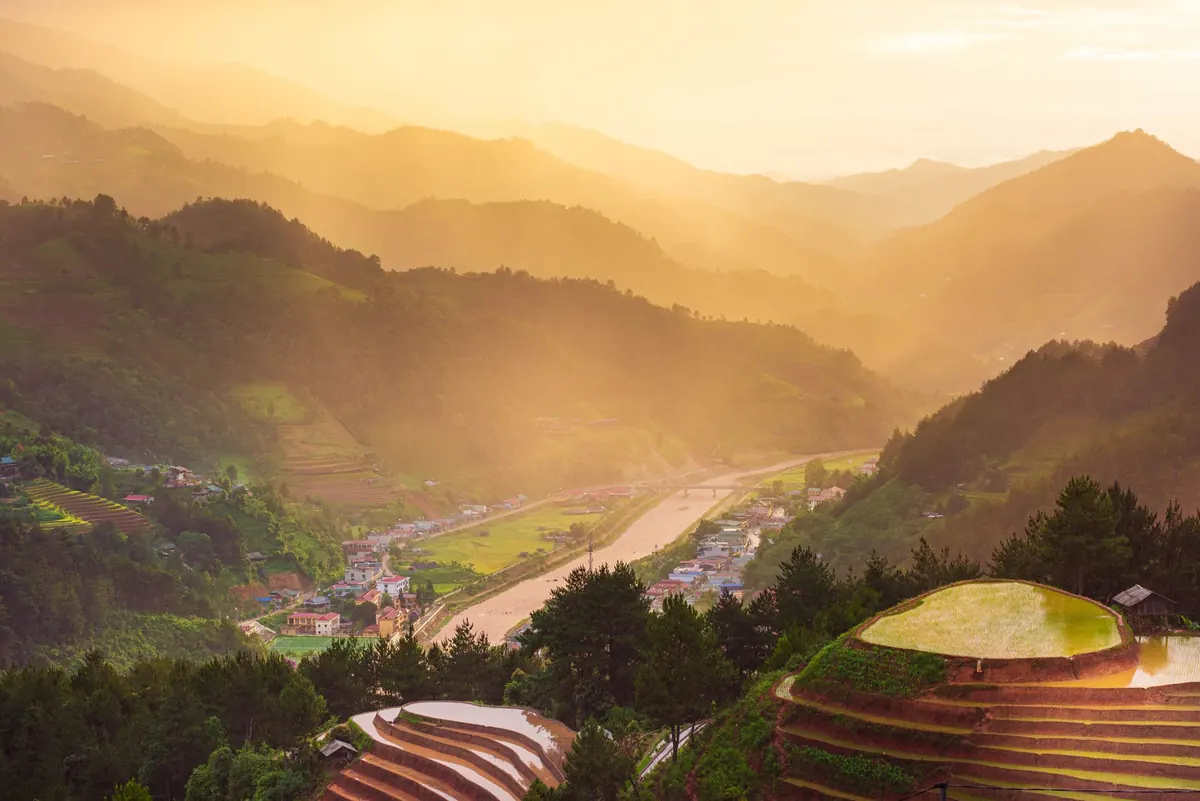
A sunset terrace is a fixed place with a moving show. The balustrade, the view, the bowl of olives — those stay put. Everything else shifts. The sun arrives at a different hour each week, sits at a different height, and leaves behind a different quality of light. In April you might sit in cool, clear gold until nine; in July you get a hazy pink dusk that seems to last forever; by late November the color burns for ten minutes and then the air turns blue and cold.
None of these versions is the "right" one. But knowing which season you are standing in changes what you wear, when you book, where you sit, and what you end up photographing.
Spring: Longer Days, Cleaner Light, Cold Stone
Spring's real gift is speed. At mid-northern latitudes sunset moves later by a minute or two every day, so a terrace that went dark at half past six in early March is still glowing at eight by the middle of May. You can finish work, walk up the hill, and still catch the main event without planning your afternoon around it.
The light is often the crispest of the year. April and May air, especially after a rain front has passed, is clearer than the summer haze that settles in by July, so distant ridgelines, coastlines and rooftops read sharp rather than soft. Contrast is higher, shadows are longer, and photographs have more definition.
What catches people out is temperature. Sunny afternoons feel warm enough for short sleeves, but terrace materials have spent the winter cold and stone or metal seating stays cool well into May. Add a breeze funneling along a terrace edge and the last hour before sunset can feel two seasons earlier than the calendar says. Bring a light jacket and something for your shoulders, and choose a seat against a wall rather than out on the open corner if you feel the cold.
Crowds are moderate: mostly locals, mostly weekends. Weekday evenings in spring are some of the easiest tables you will find all year.
Summer: Late, Long, Hazy, and Busy
Summer pushes everything to the end of the day. Sunset arrives at its latest point of the year near the June solstice, well past eight in the evening across much of Europe, and the afterglow can keep the sky lit until ten. Twilight is long and generous, which makes summer the most forgiving season for anyone who is running late.
It is also the least forgiving season for heat. West-facing terraces store the afternoon sun in stone, terracotta and paving, and that stored warmth radiates back at you while the sun is still high enough to be uncomfortable. Shade matters more than the view for the first hour. So does water, and so does a hat with a brim rather than a cap.
Light quality changes too. Warm, humid summer air softens the edges of the sun, so you get broader washes of orange, peach and rose rather than the hard, saturated reds of autumn. Sometimes the sun simply dissolves into a haze band above the horizon instead of touching it — still beautiful, but not the postcard you may have pictured.
Then there are the crowds. Summer sunset is a scheduled event, and the half hour before it is when everyone arrives at once. A few practical habits help:
- Book 45 to 60 minutes before sunset, not at sunset, and ask which seating slot actually contains the moment the sun goes down.
- Request a table facing north-west if you want side light on faces rather than everyone squinting into the glare.
- Order before the sun gets low; kitchens and bars slow down noticeably in the final half hour.
- Pack a light layer anyway — the drop after sunset feels sudden when you have been sitting in warmth.
Fall: The Sharpest Color and the Fastest Fade
Autumn is the connoisseur's season. Dry, cool air scatters light differently than summer's humidity, and the result is deeper, more saturated color — real oranges and reds rather than pale gold. Shadows lengthen earlier, textures on old walls and paving come alive, and the whole scene looks slightly more dramatic than it did in July.
The catch is duration. Fall twilight is short. Where summer gave you an hour of afterglow, October may give you twenty minutes before the sky goes grey-blue and the terrace lights come on. If you are coming for photographs, arrive early and shoot the build-up rather than chasing the last flare.
There is one more thing worth checking: the sun's setting point moves. Through autumn it tracks steadily southward along the horizon, so a seat with a perfect June alignment may look at a completely different skyline by October — the sun might drop behind a hill, a roofline or a tree that was never in the frame before. If you loved a particular table in summer, scout a new one now.
Temperature falls fast once the sun is gone, often several degrees within half an hour, so a jacket you never opened in August becomes essential. Crowds thin noticeably after mid-September, and by late October you can often walk in without a reservation.
Winter: Early, Low, and Quiet
Winter sunsets are short, early and frequently spectacular. At mid-northern latitudes the earliest sunsets of the year arrive in early December, before the solstice, and in many places the sun is down before five in the afternoon. That compresses the whole outing: a winter terrace visit is a late-afternoon activity, not an evening one.
Plan for the difference between official sunset time and the moment the sun actually disappears. With a low sun and hills, buildings or a headland in the way, the visible sunset can happen twenty or thirty minutes before the published time. When a view matters, arrive on the earlier estimate.
The low angle is the season's signature. Light rakes almost horizontally across the terrace, throwing long shadows and lighting up upper floors, ridgelines and far slopes that sit in shade the rest of the year. It can also be genuinely blinding — sunglasses in winter are not an affectation — and it makes the difference between a sunny seat and a shaded one enormous.
Cold is the practical obstacle. Stone and metal surrender heat instantly, and patio heaters warm one side of you at best. Sit against a wall, keep your back to the wind, ask for the sheltered corner, and order something hot before you order anything else. In exchange you get space: empty tables, unhurried staff, and a view you can hear yourself think in.
The Shoulder Weeks Are the Sweet Spot
If you have flexibility, aim for the two or three weeks around the equinoxes, and for the stretch right after the clocks change in late March and late October. Those shifts move sunset by a full hour overnight, which briefly resets the crowd patterns before everyone adjusts. You get shoulder-season prices in spirit, if not always on the menu, decent temperatures, and a sun that sets at a civilised hour for dinner.
Planning Around the Season: A Short Checklist
Whatever the month, the preparation is similar. Work through these in order and you will rarely miss the moment:
- Check the sunset time for the exact date and the exact spot, not for the nearest big city. Coastal and hilltop terraces differ from the town below.
- Check where the sun sets relative to the view. A compass or map view tells you whether the sun will drop into the sea, behind a ridge, or straight into the terrace's own roofline.
- Read the wind and cloud forecast. A broken bank of cloud to the west often produces the best color; a solid grey lid produces none. Wind decides whether the terrace feels pleasant or punishing.
- Arrive 45 to 60 minutes early in summer, 30 minutes in winter, and use the time to settle, order, and watch the light change rather than sprinting for a table.
- Dress for the temperature half an hour after sunset, not for the moment you leave the house.
- Think about the exit. Steps, gravel paths and unlit terraces get awkward in the dark, and the taxi queue in high summer is its own event.
Seasons do not change the view. They change what the view is worth staying for — which is why the same terrace can feel like four different places in one year.
Photo: Duc Nguyen / Pexels