Coastal vs. Hillside Sunset Terraces: A Comparison for View and Comfort
You know the moment. The sun is two fingers above the horizon, the glasses are cold, and someone at the table says, “This is good, but the terrace we had in the hills last year was better.” And then the argument begins, because they are both right. Coastal terraces and hillside terraces do different things well, and the trick is knowing which one you are actually booking before you climb the stairs. What follows is a comparison built on the things that decide whether an evening works: air movement, the shape of the horizon, temperature, how you get there and back, and what your camera will do when the light turns.
Breeze: Steady Sea Air vs. Pulsing Valley Air
On the coast, the breeze has a rhythm you can almost set a watch by. As land heats through the afternoon, cooler air slides in off the water, building steadily until late afternoon and then easing after sunset. That is why a coastal terrace can feel wonderfully fresh at seven and almost motionless by nine. It also explains the small indignities: tablecloths that lift, napkins that leave, a fine salt film on sunglasses and phone screens. Menus need weights for a reason.
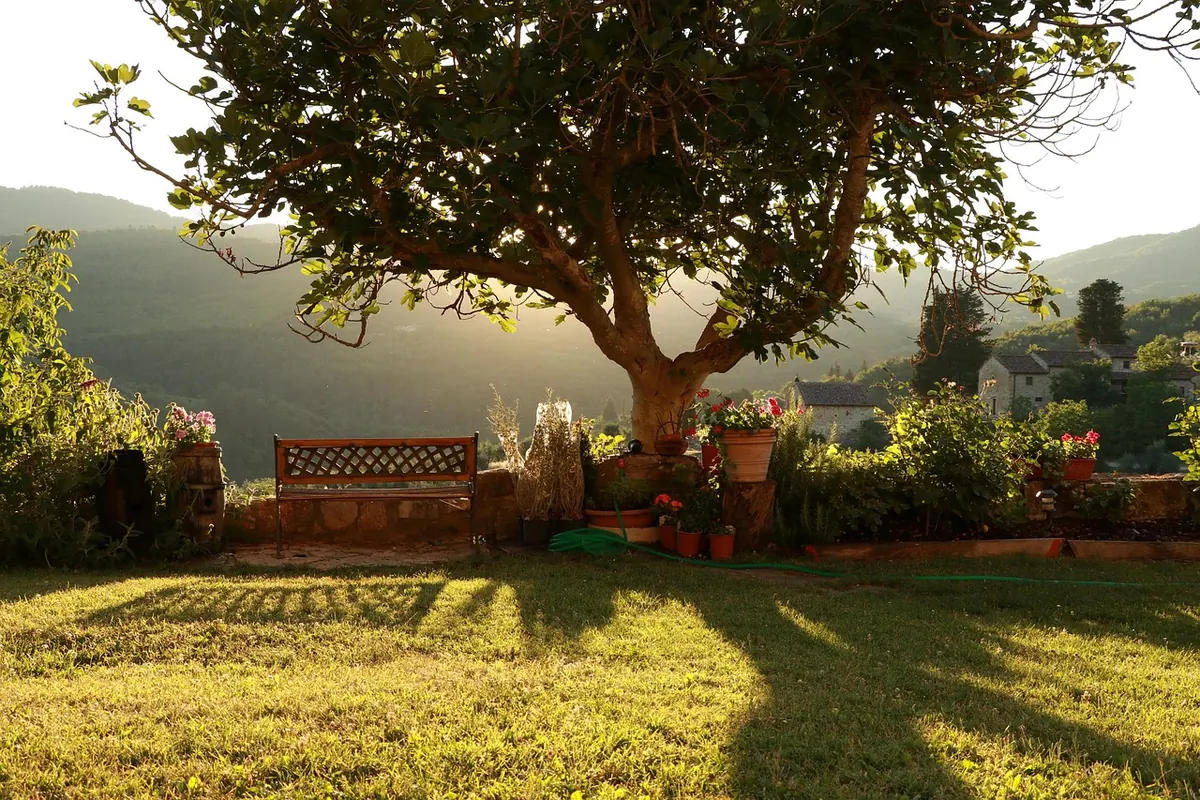
Hillside air behaves differently. During the day, warm slopes pull air upward from the valley; after sunset the flow reverses and cool air drains downhill. Mid-slope terraces often sit in a moving band of air, while a terrace tucked behind a ridge or inside a walled courtyard can be completely still. Coastal breeze is broad and horizontal. Hillside breeze is directional and uneven, arriving in pulses around corners and dying abruptly behind a stone wall.
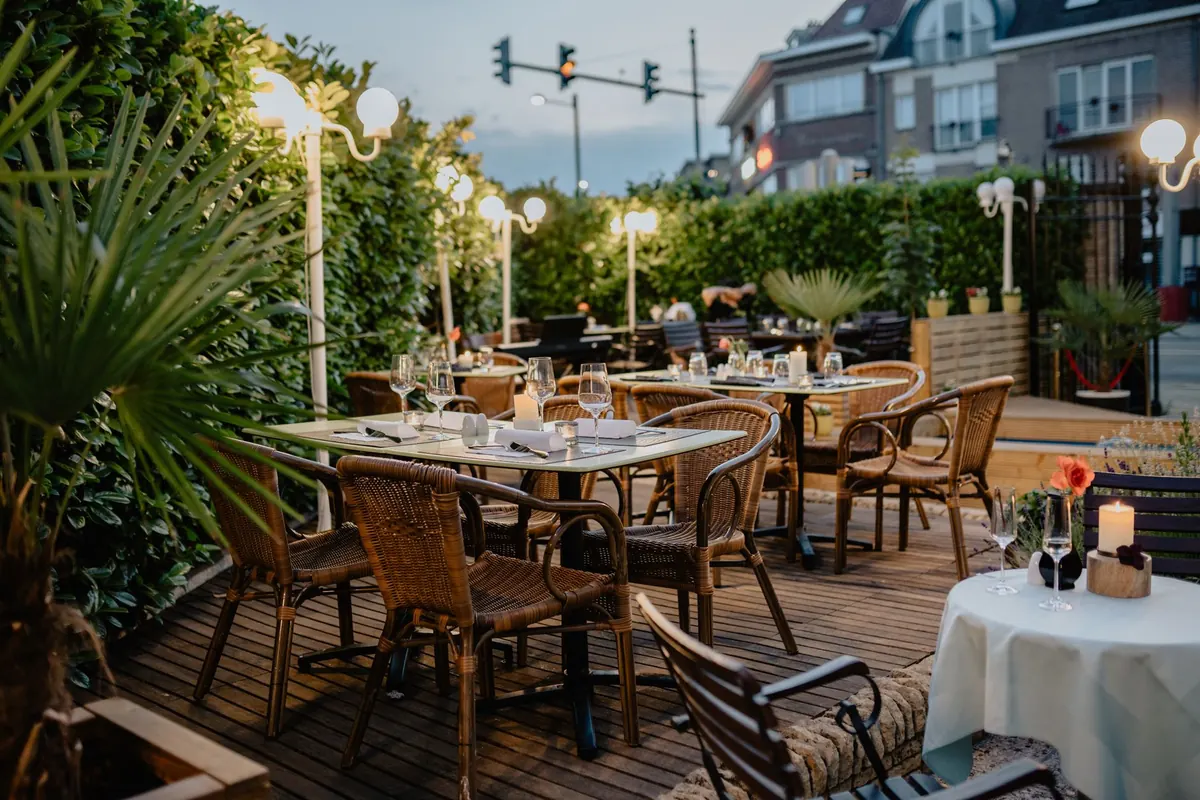
If you are sensitive to wind, a sheltered hillside courtyard is the safer bet. If you want air on a hot evening, take the coast, but ask whether the terrace faces the water or sits behind the building. A sea-view terrace on the leeward side of a hotel can be the stillest place in town.
The Horizon: Open Water vs. Layered Land
The coast gives you the cleanest line in the world: water, then sky, then sun dropping into it. Light bounces off the surface and lifts shadows, so even a plain terrace looks generous at sunset. The catch is that the horizon is only as good as the sun’s position. In some months the sun sets well to one side, or disappears behind a headland forty minutes before official sunset time. Check where the sun actually goes down in the week you are travelling, not just whether the terrace “faces west”.
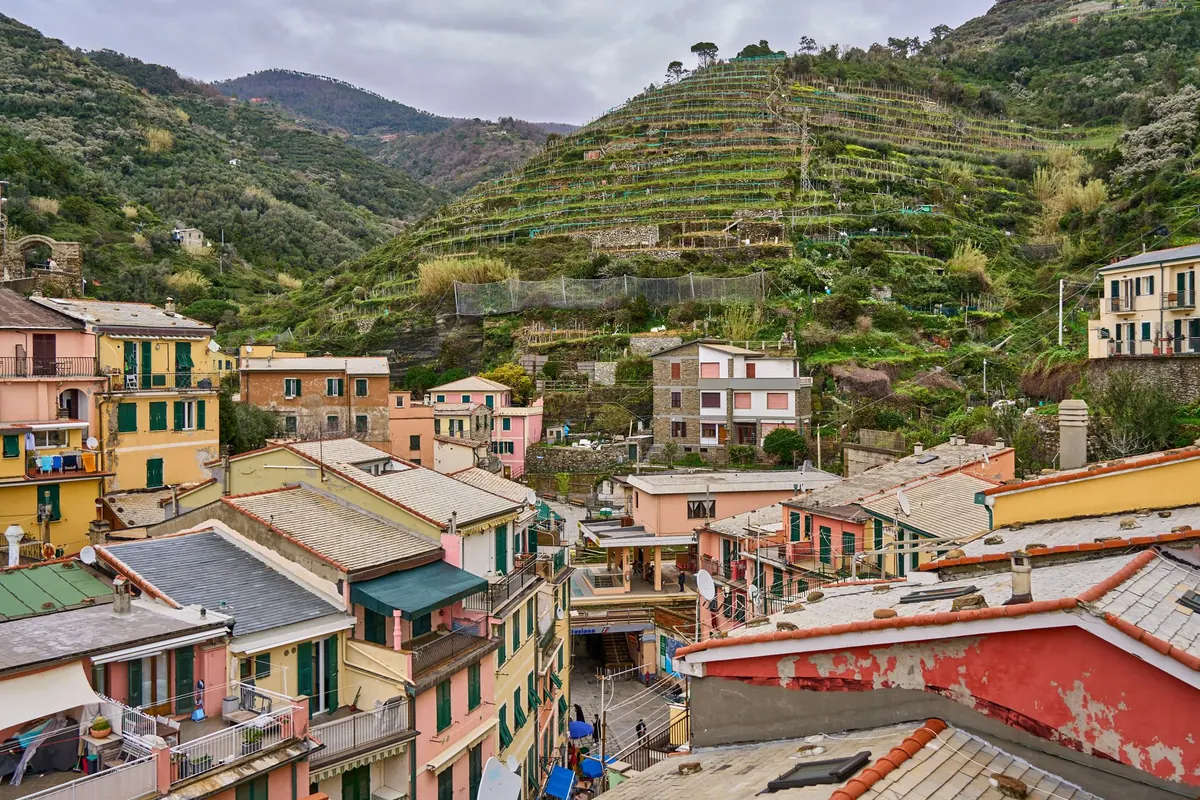
Hillsides trade the clean line for depth. You get ridges behind ridges, haze turning each layer a different blue, and the last light catching the top of a village while the valley below is already in shadow. The sun often vanishes behind a ridge before it reaches the true horizon, which shortens the show but can produce the better photographs. Coastal views are wide and horizontal; hillside views are deep and vertical. Choose whichever matches the picture in your head.
Temperature and the Shape of the Evening
Water moderates. A coastal terrace is cooler than inland streets during the afternoon and loses heat slowly after dark, so the swing from eight o’clock to eleven is gentle. The breeze, though, adds a chill that the thermometer will not mention. A light layer is not optional, even in high summer.
Hillsides bake during the day and shed warmth quickly once the sun drops behind the ridge. Stone walls release stored heat for a while, which is why the first half hour after sunset can feel perfect, but the valley air draining downhill brings a sharper coolness later. Expect a real difference between sitting in the sun at six and sitting in the same chair at nine, and dress for the second one.
Insects belong in this conversation too. Moving air keeps mosquitoes down on exposed coastal terraces and on ridges, but still pockets among hillside trees and gardens can be busy after sunset. If you react badly to bites, a sheltered hillside corner is charming until it is not.
Access: How You Get Up and How You Get Home
This is where the comparison stops being romantic. Coastal terraces are usually close to where people already are: promenades, harbour fronts, the top floor of a building on a seafront street. The walk home is flat. The problem is traffic and parking in the hour before sunset, when everyone has the same idea.
Hillside terraces are quieter for a reason. The road winds, narrows, and sometimes ends in a set of steps. Ask specific questions before booking:
- Is there parking, and how many spaces for how many guests?
- Is the final approach stairs, gravel, or an unlit path?
- Is there a shuttle back down, or is a taxi realistically available at that hour?
- Can someone with limited mobility reach the terrace without climbing?
- Are there handrails and lighting for the walk back after dark?
A torch on your phone is fine. A winding unlit descent with no handrail, after two glasses of wine, is not. If you are driving, decide before you order whether the car is moving again tonight, and if it is not, sort out the return trip while it is still light and while someone sober can make the call.
Photography Conditions
Coastal light is bright and clean, which makes it easy and sometimes boring. Shooting into the sun over water creates a huge brightness range: the sun and its reflection blow out while the terrace tables go dark. Expose for the sky and let the foreground fall into silhouette, or use the water’s reflection to fill shadows. Sea spray leaves a fine residue on filters and front elements, so wipe the lens before the good light arrives, not during it.
Hillside light rewards a longer lens. Compressed layers of ridges, haze, and a village catching the last direct sun give you pictures that a coastal terrace cannot. Arrive early enough to find two positions: one for the wide view, one for the long one. Tripods sit badly on cobbles and uneven stone, so check your footing before the light gets interesting. And confirm your sunset time against the ridge line, because on a hillside the sun can be gone while the sky is still bright.
Rule of thumb: coastal terraces give you a clean backdrop and easy colour. Hillside terraces give you depth, texture, and a shorter window to shoot it in.
Which One Suits Your Evening
Choose the coast for breeze on a hot day, an unbroken horizon, a flat walk home, and easy group logistics. Choose the hills for layered views, a quieter table, atmospheric photographs, and an evening that cools down properly. If you cannot decide, book the coast early in the trip when you are still adjusting to the heat, and save the hillside for a night when you have a driver or a short, well-lit walk.
A Practical Checklist Before You Commit
Check the sun’s position for your dates, not just the compass direction of the view. Read recent reviews for the words “wind”, “stairs”, and “parking”. Confirm the terrace is the one you think it is, since many places have a bar at street level and a smaller terrace above. Book the table nearest the edge only if you actually want the breeze; otherwise ask for the sheltered side. Bring a layer, whatever the forecast says. And plan the way back before the first toast, because the best sunset terrace is the one you can still enjoy on the walk home.
Photo: Gotta Be Worth It / Pexels